

Trnava ožila živým dedičstvom: Medzinárodná konferencia spojila minulosť, technológie aj ľudí

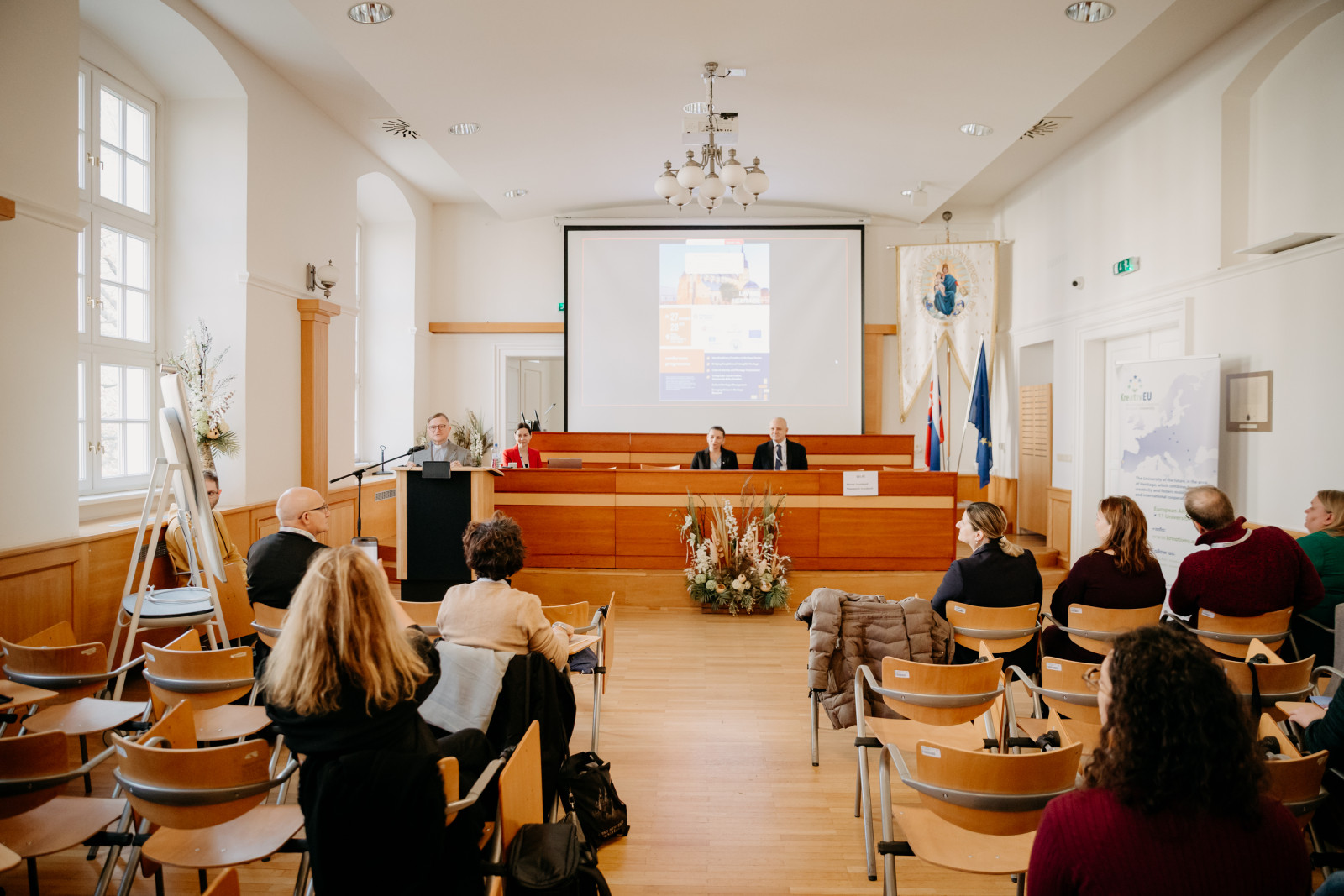
Trnava zažila 27.–28. novembra 2025 jedinečné stretnutie odborníkov, výskumníkov, študentov a tvorcov kultúrnych politík z celého sveta. Medzinárodná konferencia LIVING HERITAGE: KNOWLEDGE, IDENTITY, PRACTICE, organizovaná v rámci aliancie KreativEU a siete UNESCO UNITWIN, vytvorila priestor, v ktorom sa minulosť prelínala s digitálnou budúcnosťou a kde sa o dedičstve hovorilo nielen ako o predmete ochrany, ale ako o živej sile, ktorá formuje naše identity. Hlavným organizátorom bola Trnavská univerzita v Trnave v úzkej spolupráci s PolytechnicUniversity of Tomar (Portugalsko) a Breda University of Applied Sciences (Holandsko).
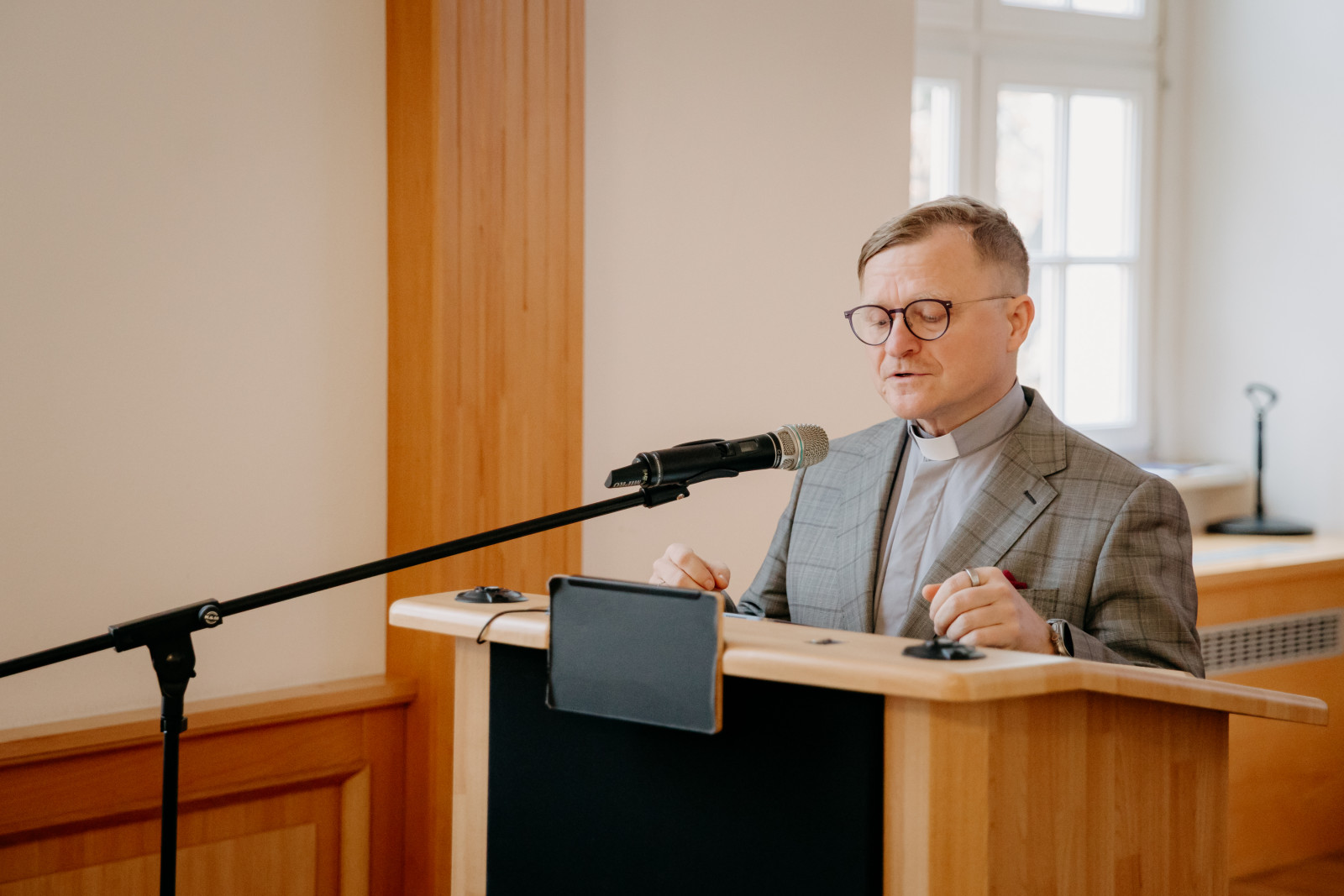
Podujatie otvoril rektor prof. Miloš Lichner spolu s viceprimátorkou Trnavy PhDr. Evou Nemčovskou, PhD., MPH., ktorí zdôraznili význam Trnavskej univerzity ako otvoreného priestoru pre dialóg a kultúrne inovácie.
Konferenciu odborne aj organizačne viedla doc. Lucia Nováková z Katedry klasickej archeológie Filozofickej fakulty TU, v úzkej spolupráci s Oddelením vonkajších vzťahov pod záštitou prorektorky pre vonkajšie vzťahy a spoluprácu doc. Dany Masarykovej. Mimoriadnu zásluhu na hladkom priebehu podujatia mala Ing. Mária Hercegová, ktorá počas oboch dní zabezpečovala časový harmonogram, koordináciu účastníkov aj neviditeľné detaily, vďaka ktorým konferencia pôsobila profesionálne a súčasne veľmi osobne.
Hlavní rečníci, ktorí strhli publikum
Konferencia ponúkla desiatky príspevkov, no štyria hlavní rečníci udali tón a energiu celému podujatiu.
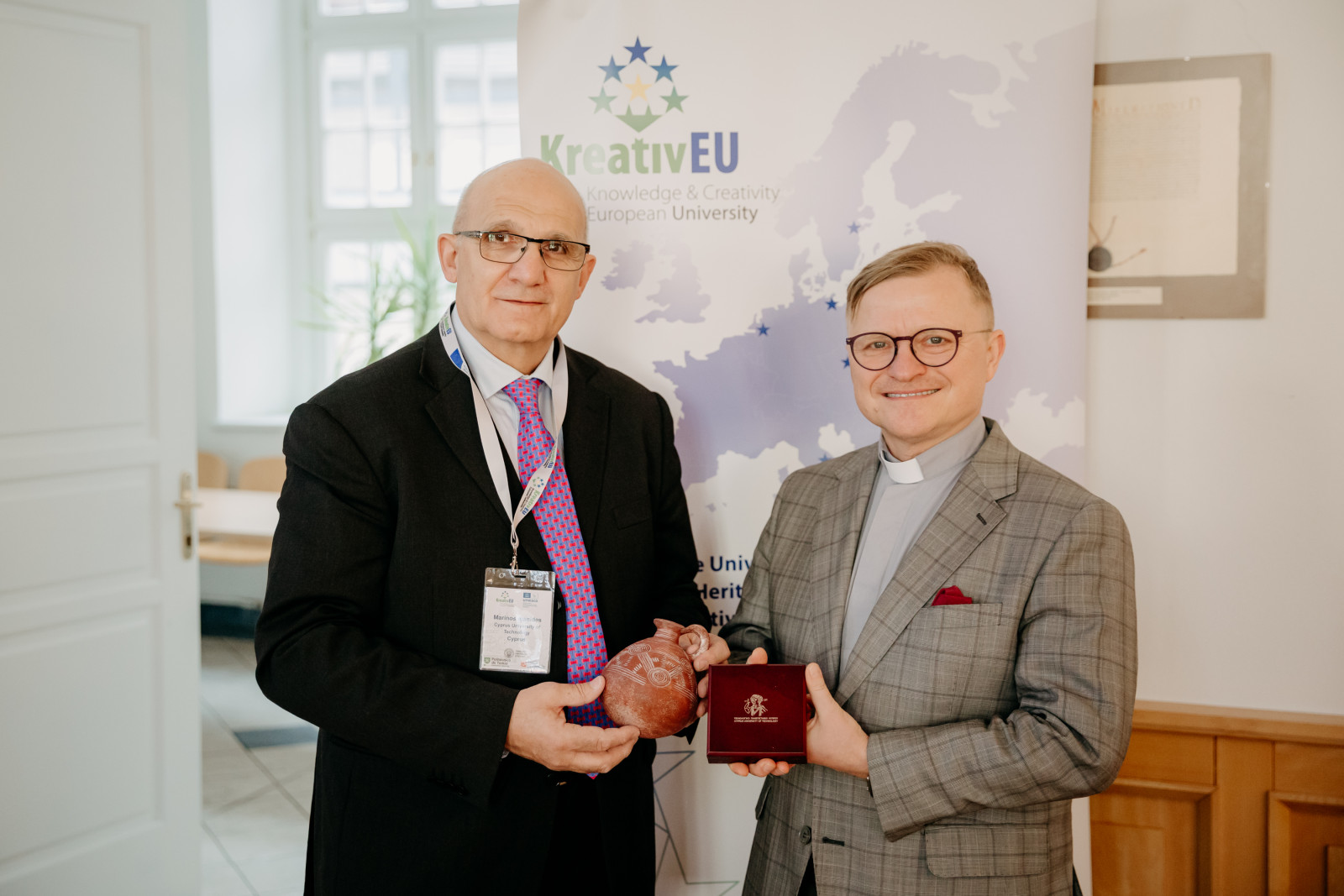
Marinos Ioannides (Cyprus)
Svetová autorita v digitálnom kultúrnom dedičstve predstavil víziu tzv. Memory-Twin – digitálnych dvojičiek, ktoré zachytávajú nielen formu, ale aj pamäť, významy a emócie. Jeho prednáška ukázala, že technológie môžu byť nositeľmi kultúrnych príbehov, nie ich hrobármi.
Ľubica Voľanská (Slovensko)
Vo svojej prednáške o UNESCO Konvencii 2003 poukázala na to, že absencia definitívnych definícií môže byť paradoxne zdrojom života a flexibility nehmotného dedičstva. Jej kritický, no citlivý pohľad otvoril diskusiu o tom, čo vlastne „komunita“ či „participácia“ znamenajú v praxi.
Anna Maria Marras (Taliansko)
Priniesla tému krehkosti digitálneho dedičstva a potreby demokratických digitálnych infraštruktúr. Zdôraznila, že otvorené dáta a prístupnosť nie sú technická voľba, ale kultúrny záväzok.
Hany Mahfouz Helal (Egypt)
Jeho prednáška o projekte ScanPyramids bola jedným z vrcholov konferencie. Ukázal, ako môže kombinácia geofyziky, kozmickej detekcie a inovatívnych meracích techník odhaliť tajomstvá Veľkej pyramídy bez jediného zásahu do jej štruktúry. Publikum ocenilo jedinečnú kombináciu vedeckej presnosti a fascinujúcich historických súvislostí.
Odbornosť, rozhovory a nové spolupráce
Program konferencie bol intenzívny, dynamický a tematicky pestrý – od archeológie, etnológie a histórie až po umelú inteligenciu, kultúrny manažment a participatívneprístupy. Mnohí účastníci ocenili, že kvalita príspevkov bola konzistentne vysoká počas celých dvoch dní.
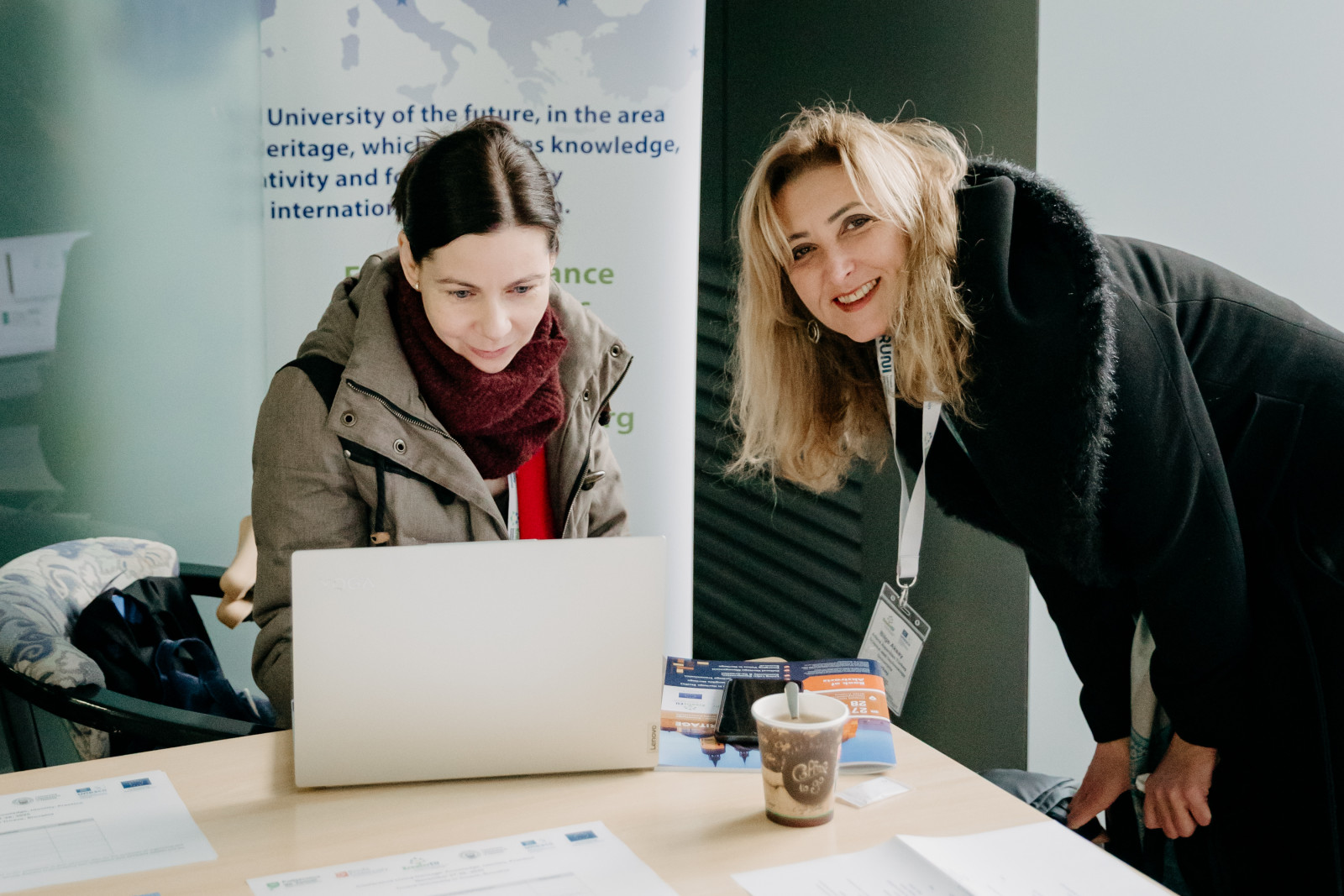
K atmosfére podujatia výrazne prispeli aj spoločné obedy a večere, počas ktorých sa rozvíjali diskusie, nadväzovali nové partnerstvá a vznikali prvé idey na spoločné projekty v rámci KreativEU aj mimo neho. Trnava sa na okamih stala miestom, kde dedičstvo nielen skúmame – ale skutočne žijeme.
Živé dedičstvo ako spoločná výzva
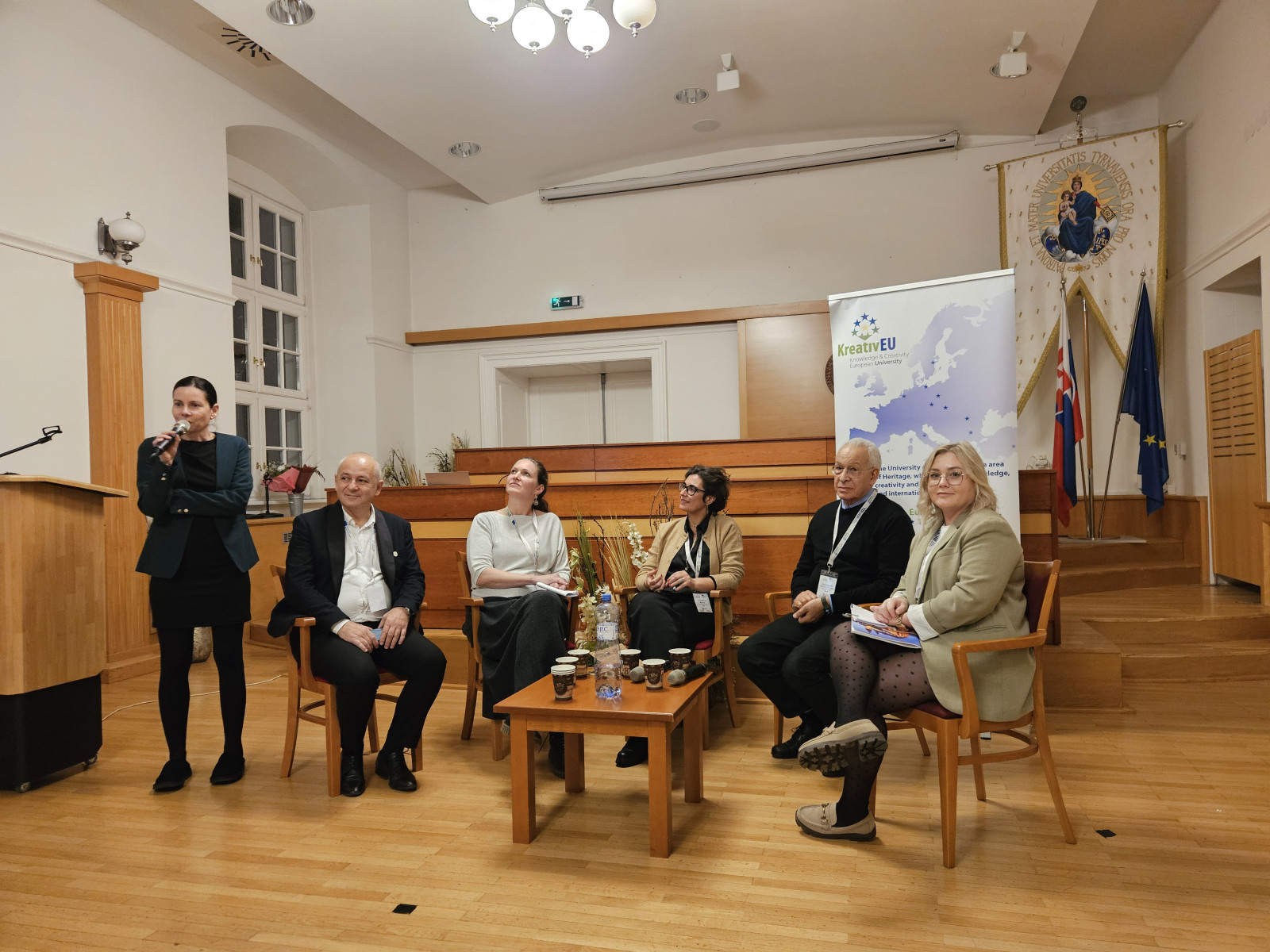
Záverečná diskusia upriamila pozornosť na budúcnosť: ako udržať dedičstvo živé v čase klimatických zmien, digitalizácie a spoločenských premien? Rečníci sa zhodli, že odpoveďou je spolupráca, zdieľanie poznania a otvorené komunity, ktoré vedia dedičstvo žiť, nie len uchovávať. Len tak sa z neho stane zdroj identity aj v čase technologických a spoločenských zmien.
Hlas účastníkov
Na záver sa ohlasy niesli v duchu silných emócií a úprimnej spätnej väzby. Prof. Silviu Miloiu zhrnul atmosféru konferencie týmito slovami:
„Drahí priatelia, aj keď sme sa vracali domov veľmi neskoro, radi by sme vám z celého srdca poďakovali za výnimočný vedecký dialóg, ktorý sa rozvinul počas tejto nezabudnuteľnej konferencie v krásnej Trnave. Podujatie bolo mimoriadne po obsahovej aj organizačnej stránke – každý z vás si zaslúži úprimné uznanie. Boli sme nadšení hĺbkou a inšpiratívnosťou keynote prednášok, bohatstvom prezentácií a podnetnými diskusiami. A rovnako si vážime aj spomienky a chvíle, ktoré sme spolu vytvorili – zostanú nám ako tichý dôkaz spoločnej zvedavosti a priateľstva. Už teraz sa tešíme na ďalšie konferenčné stretnutie a najmä na opätovné stretnutie v Trnave v roku 2027. S najvrúcnejším pozdravom a úprimným objatím.“
Trnava Came Alive with Living Heritage: An International Conference Bridging Past, Technology, and People
On 27–28 November 2025, Trnava hosted an exceptional gathering of experts, researchers, students, and cultural policy makers from across Europe. The conferenceLIVING HERITAGE: KNOWLEDGE, IDENTITY, PRACTICE created a space where the pastintertwined with the digital future, and where cultural heritage was discussed not onlyas something to preserve, but as a living force shaping our identities.
The event was opened by Rector Prof. Miloš Lichner together with Trnava’s DeputyMayor, PhDr. Eva Nemčovská, PhD., who emphasized the role of Trnava University as anopen space for dialogue and cultural innovation.
The conference was professionally and organisationally led by Assoc. Prof. Lucia Nováková from the Department of Archaeology, Faculty of Arts, in close collaborationwith the Office of External Relations under the auspices of the Vice-Rector for ExternalAffairs, Assoc. Prof. Dana Masaryková. A special acknowledgment goes to Ing. Mária Hercegová, whose dedication during both days ensured the smooth running of theprogramme, precise timekeeping, participant coordination, and many unseen detailsthat made the conference feel both highly professional and warmly personal.
Keynote Speakers Who Captivated the Audience
The conference featured dozens of presentations, yet four keynote speakers set the tone and energy of the entire event.
Marinos Ioannides (Cyprus)
A world authority in digital cultural heritage, he introduced the concept of the Memory-Twin—digital counterparts that capture not only the form of cultural artefacts but alsotheir memory, meanings, and emotional resonance. His lecture highlighted thattechnology can become a carrier of cultural stories, not their graveyard.
Ľubica Voľanská (Slovakia)
In her keynote on the UNESCO 2003 Convention, she pointed out that the absence of strict definitions can paradoxically foster the vitality and flexibility of intangible heritage. Her critical yet sensitive perspective opened discussions on what “community” and “participation” actually mean in real practice.
Anna Maria Marras (Italy)
She addressed the fragility of digital heritage and the need for democratic digitalinfrastructures. Her lecture emphasized that open data and accessibility are not merelytechnical choices – they are cultural commitments.
Hany Mahfouz Helal (Egypt)
His presentation on the ScanPyramids project was one of the highlights of the event. He demonstrated how a combination of geophysics, cosmic-ray detection, and advancedscanning can reveal hidden chambers of the Great Pyramid without any physicalintrusion. The audience appreciated the unique blend of scientific precision and captivating historical insight.
Expertise, Dialogue, and New Collaborations
The conference programme was intense, dynamic, and rich in themes—ranging fromarchaeology, ethnology, and history to artificial intelligence, cultural management, and participatory approaches. Many participants noted that the quality of contributionsremained consistently high throughout both days.
The atmosphere of the event was further enriched by shared lunches and dinners, during which discussions continued, new partnerships emerged, and ideas forcollaborative projects within and beyond KreativEU began to take shape. For a briefmoment, Trnava became a place where heritage was not only studied – but truly lived.
Living Heritage as a Shared Challenge
The final roundtable discussion turned attention to the future: how can we keepheritage alive in the context of climate change, digital transformation, and social shifts? Speakers agreed that the answer lies in collaboration, knowledge-sharing, and opencommunities capable of living heritage, not merely safeguarding it. Only then can itcontinue to serve as a source of identity in times of technological and societal change.
Voices of the Participants
The closing reflections were marked by strong emotions and sincere appreciation. Prof. Silviu Miloiu captured the spirit of the conference in his message:
“Dear friends, our sincere thanks for the exceptional scientific dialogue we experiencedin beautiful Trnava. The conference stood out in both content and organization—worthyof the ‘10’ Alin awarded. We were captivated by the keynote talks, the richpresentations, and the lively roundtable discussions. We will long remember themoments and friendships created together. We look forward to the next gathering and to returning to Trnava in 2027. Warm regards and a warm embrace.”